The Best Way to Store Asparagus to Keep It Fresh and Crisp
Asparagus, with its vibrant green spears and delicate, earthy flavor, is a true culinary delight, especially during its peak season in spring. While you can enjoy this versatile vegetable almost year-round, its quality and flavor are undeniably at their best when fresh. However, even the freshest asparagus can quickly turn limp and lose its appeal if not stored correctly. Nobody wants to cook with wilting spears when they could be enjoying crisp, tender ones! Learning *how to store asparagus* properly is key to preserving its distinctive taste and texture, ensuring every meal is as delicious as intended.
From a quick weeknight side dish to a gourmet addition to quiches and casseroles, asparagus elevates countless recipes. But the journey from farm to fork often takes a few days, and without the right storage techniques, those precious spears can degrade rapidly. This comprehensive guide will walk you through the most effective methods to keep your asparagus fresh, crisp, and flavorful, whether you plan to enjoy it tonight or several days from now.
Buying Asparagus: The First Step to Lasting Freshness
The longevity of your asparagus begins even before you get it home. Selecting the freshest possible spears at the grocery store or farmers' market is foundational to extending its shelf life. Think of it as investing in future flavor!
When choosing your asparagus, look for these key indicators of freshness:
*
Firmness and Upright Stance: The spears should feel firm to the touch and stand tall, not limp or bendy. Limpness is a tell-tale sign of dehydration and age.
*
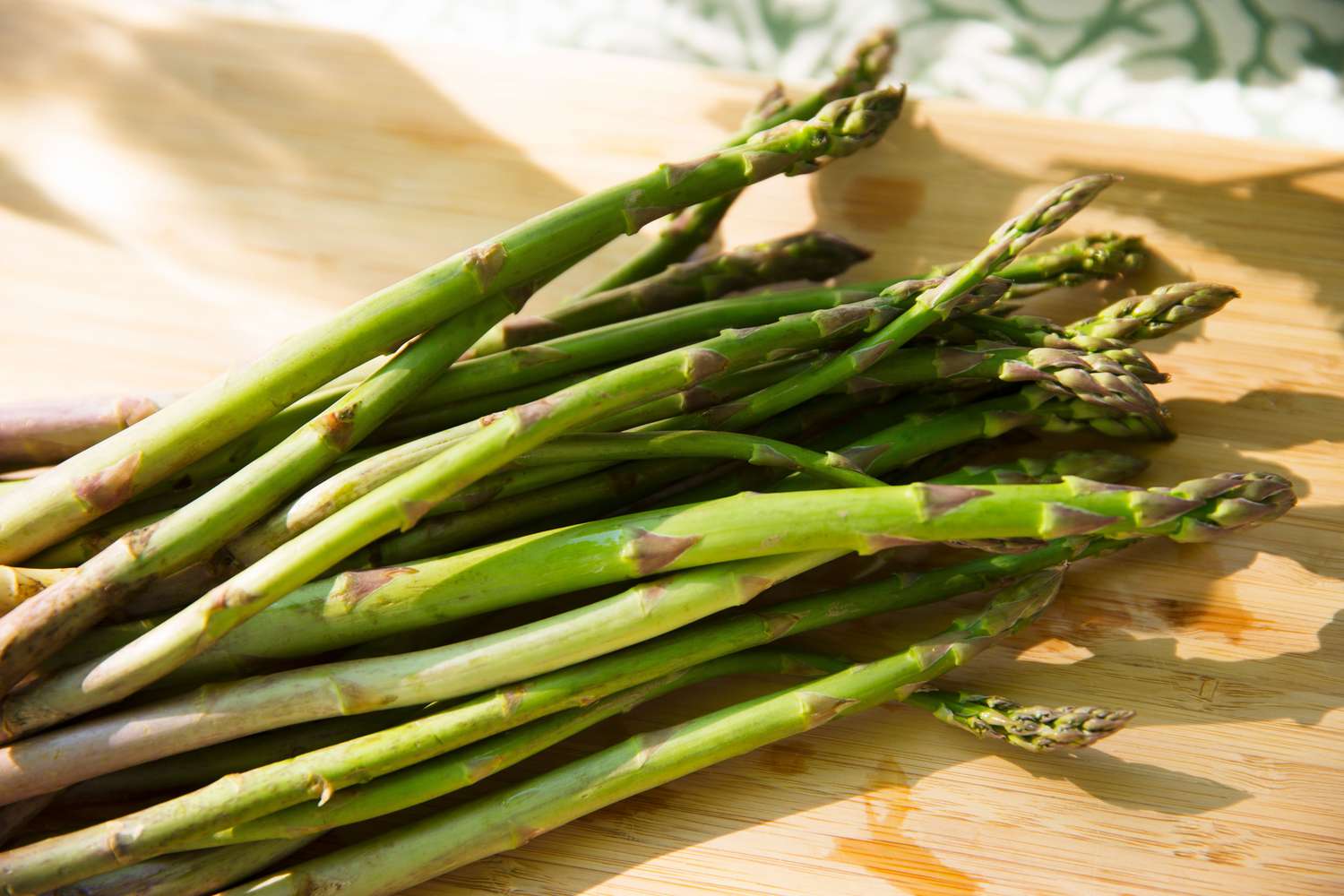
Bright, Uniform Color: Asparagus should display a vibrant green hue along its entire length, sometimes with purple undertones at the tips. Avoid bundles with dull, yellowish, or discolored patches.
*
Tight, Closed Tips: The tips, often referred to as the "crowns," should be compact and tightly closed. Splayed or mushy tips indicate that the asparagus is past its prime.
*
Smooth Stalks: The skin of the stalks should be smooth and relatively free of blemishes.
*
Moist, Not Slimy, Ends: While some moisture at the cut ends is normal, they should not appear dry, woody, or slimy. A good produce department will often keep asparagus standing in a shallow pool of water, much like you would do at home.
Starting with high-quality, fresh asparagus means you’re already ahead in the game of keeping it crisp for longer.
How to Store Asparagus Short-Term: The Quick Fridge Method
Sometimes, you buy asparagus with the intention of cooking it within a day or two. For these situations, a simple, quick refrigerator storage method will suffice, offering enough moisture to maintain its integrity without requiring a dedicated container. This approach is also excellent if you're short on fridge space.
Here’s how to store asparagus for immediate use (1-2 days, potentially up to 5 if very fresh):
1.
Resist the Wash: Crucially, do not wash your asparagus until you are ready to cook it. Excess moisture sitting on the surface can encourage mold and spoilage.
2.
Dampen a Wrap: Take a paper towel or a thin, clean tea towel and wet it thoroughly under cool water. Wring it out well until it's just damp, not dripping. The goal is to provide humidity, not saturation.
3.
Wrap the Spears: Gently wrap the entire bundle of asparagus in the damp towel. The dampness will act as a protective, hydrating layer.
4.
Bag It Up: Place the wrapped asparagus inside a zip-top plastic bag. Don't seal it completely; leave a small opening for air circulation, or opt for a reusable produce bag that breathes.
5.
Refrigerate: Store the bag in the crisper drawer of your refrigerator. The crisper drawer is designed to maintain optimal humidity levels for vegetables, making it the ideal spot.
This method effectively prevents the asparagus from drying out and can keep it fresh and reasonably crisp for up to five days, though it's best consumed within 24-48 hours for optimal quality.
The Best Way to Store Asparagus for Extended Freshness
If you're not planning to use your asparagus right away and want to maximize its lifespan – often keeping it fresh and crisp for a week or even longer – the "flower vase" method is truly superior. This technique mimics how fresh flowers are kept vibrant, allowing the asparagus spears to continuously draw up water and stay hydrated from the base to their delicate tips.
Follow these steps for the ultimate asparagus storage solution:
1.
Prepare the Spears: As soon as you get home, before placing them in the fridge, carefully trim about one inch off the bottom ends of the asparagus stalks. These ends are often woody and dry, and trimming them creates a fresh surface that can readily absorb water.
*
Pro Tip: Keep the rubber band around the asparagus bundle while trimming. This holds the spears together, making a cleaner and easier cut in one swift motion.
2.
Hydrate in a Jar: Choose a sturdy jar (like a Mason jar) or a tall glass. Add about one inch of cold water to the bottom of the container. Place the trimmed asparagus spears upright into the jar, ensuring all the cut ends are submerged in the water. You can remove the rubber band at this stage if desired, allowing the spears to relax in the water.
3.
Cover and Chill: Loosely cover the standing asparagus spears with a large plastic bag. A plastic grocery bag works perfectly. The key here is "loosely" – you want to create a humid micro-environment around the asparagus to prevent moisture loss through evaporation, but without suffocating it. The bag acts like a mini-greenhouse.
4.
Refrigerate Properly: Place the covered jar with the asparagus in the refrigerator. The crisper drawer is still a good spot, but if your jar is too tall, any shelf in the main compartment will work. Avoid placing it near the back of the fridge where temperatures can drop too low and freeze delicate produce.
5.
Maintain Water Quality: The secret to sustained freshness with this method is clean water. Check the water in the jar daily. If it becomes cloudy or murky, pour it out and replenish it with fresh, cold water. Clean water ensures the asparagus can continue to hydrate efficiently.
With this method, your asparagus can remain wonderfully fresh and crisp for 5 to 7 days, and sometimes even up to 10 days, depending on its initial freshness and your diligent water changes. It's truly the best way to preserve that garden-fresh quality. For even more detailed instructions, you might find valuable insights in articles like
Store Asparagus Longer: Essential Tips for Fresh, Crisp Spears.
Troubleshooting and Maximizing Asparagus Life
Even with the best intentions, sometimes asparagus can look a bit sad. Don't despair! Here are a few extra tips:
Rejuvenating Limp Asparagus
If your asparagus spears have gone a bit limp despite your best efforts, they might still be salvageable! Just like a wilting flower can perk up in water, asparagus can often be rehydrated. Trim the woody ends and place the spears in a jar of ice water for 30 minutes to an hour. This can often restore a surprising amount of crispness, making them suitable for cooking.
Long-Term Freezing
While this article focuses on short-to-medium term fresh storage, if you have a bounty of asparagus and want to keep it for several months, freezing is an excellent option. For best results, blanch the spears in boiling water for 2-4 minutes (depending on thickness), then immediately plunge them into an ice bath to stop the cooking process. Drain thoroughly, pat dry, and freeze in a single layer on a baking sheet before transferring to freezer-safe bags or containers. This method preserves flavor and texture for up to a year.
Signs of Spoilage
Know when it's time to let go. Asparagus that is truly spoiled will exhibit a distinct slimy texture, an off-putting sulfurous smell, or widespread mold growth. If you notice any of these signs, it’s best to discard the batch.
Conclusion
Asparagus is a nutritional powerhouse and a flavorful addition to any meal, making it well worth the effort to store it correctly. By understanding *how to store asparagus* using either the short-term damp towel method or the superior "flower vase" technique, you can significantly extend its freshness and crispness. Remembering to choose fresh spears, avoiding washing until cooking, and providing consistent hydration are the simple secrets to enjoying this delicious vegetable at its very best. So, go ahead, stock up on asparagus, and confidently keep your spears vibrant and flavorful for longer, ready to be transformed into your next culinary masterpiece. For more detailed guidance on maintaining optimal freshness, check out our guide on
How to Store Asparagus: Keep Your Spears Vibrant and Flavorful.